
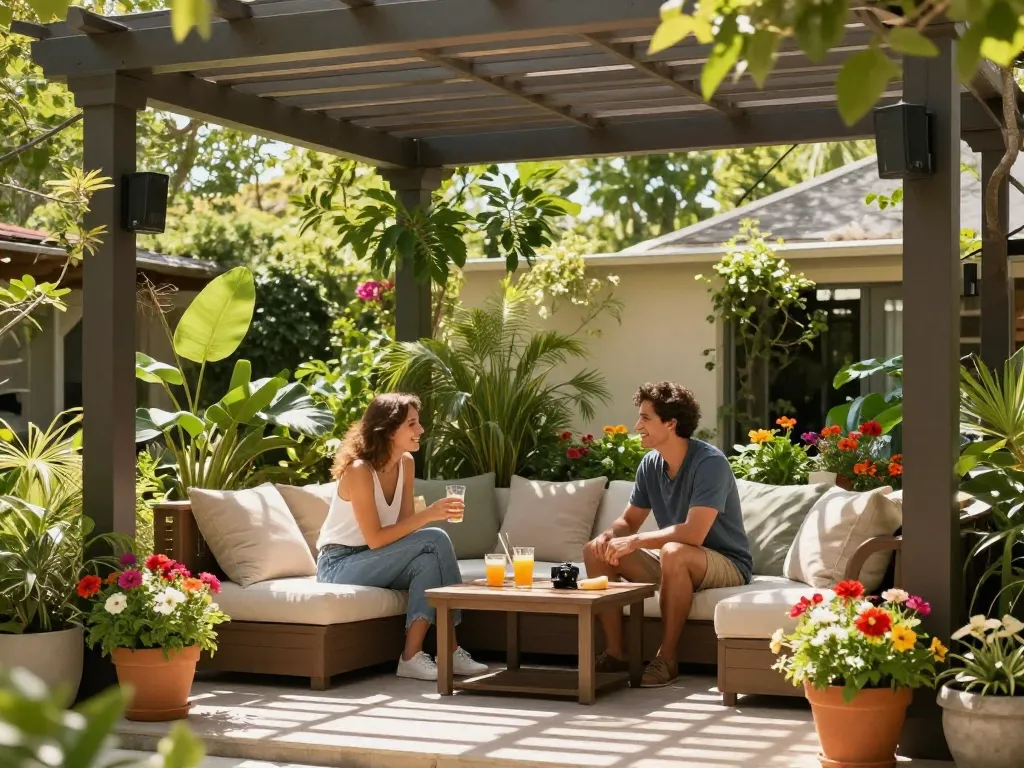
Understanding Configuratore Pergola Online: The Basics
In the era of digital transformation, the way we design and personalize outdoor spaces has evolved significantly. One of the most innovative tools available for homeowners and architects alike is the configuratore pergola online. This online configurator simplifies the often complex process of designing a pergola by allowing users to customize every aspect of their outdoor structure from the comfort of their homes. Let’s explore the fundamental concepts surrounding these configurators and how they can enhance your outdoor living experience.
What is a Configuratore Pergola Online?
A configuratore pergola online is a digital tool that enables users to create and customize their pergola designs through an interactive platform. This tool typically includes a wide variety of options such as styles, materials, colors, and sizes, allowing customers to visualize their design choices in real-time. The configurator serves as both a design assistant and a pricing evaluator, making it easier to estimate costs based on selected features.
Benefits of Using an Online Configurator
There are numerous advantages to utilizing an online configurator for designing your pergola:
- Customization: Users can tailor their designs to fit specific requirements, ensuring that the final product meets their aesthetic and functional needs.
- Visualization: Many configurators offer 3D modeling, allowing users to see how their design will look in real time, which enhances the decision-making process.
- Efficiency: The design process is expedited by eliminating the need for extensive consultations with contractors or designers, making it more accessible for DIY enthusiasts.
- Budgeting: Instant pricing estimates help users stay within their financial limits while exploring various options.
Key Features to Look for in a Configuratore
When selecting an online configurator, consider the following essential features:
- User-Friendly Interface: The configurator should be intuitive and easy to navigate, even for users who may not be tech-savvy.
- Comprehensive Customization Options: Look for platforms that offer a wide array of materials, colors, and styles to ensure your design can be as unique as your preferences.
- 3D Visualization: A configurator that provides 3D modeling capabilities enhances the user experience, enabling a better understanding of how the final product will fit into their space.
- Mobile Compatibility: Ensure that the configurator can be accessed from various devices, allowing for flexibility in design and planning.
Choosing the Right Design for Your Space
Designing a pergola is not just about aesthetics; it’s about ensuring that the structure complements the surroundings and meets your needs. The right design choice can enhance the appeal of your outdoor area while providing functional benefits.
Exploring Pergola Styles and Materials
When choosing a pergola style, consider the overall architecture of your home as well as your personal tastes. Popular styles include:
- Traditional: Often made of wood, traditional pergolas offer a classic look but require regular maintenance.
- Modern: Typically constructed from aluminum or vinyl, modern designs provide sleek lines and require less upkeep.
- Bioclimatic: These structures feature adjustable slats that can control sunlight and ventilation, making them highly functional.
Material choice also plays a crucial role in durability and aesthetics. Wood, aluminum, and vinyl all have distinct advantages and disadvantages, so weighing these factors is essential for a successful project.
Factors Influencing Your Design Choice
Several factors can influence your pergola design choices, including:
- Climate: Consider local weather conditions, as certain materials perform better in specific environments.
- Function: Decide whether the pergola will be used primarily for shade, aesthetic appeal, or as an outdoor living space.
- Size: Assess the available space in your yard, as the dimensions will dictate design choices.
Customization Options for Personal Touches
No design is complete without personal touches. Many configurators allow users to incorporate unique features, such as:
- Lighting: Integrated lighting options can enhance the usability of your pergola during the evening.
- Louvers: Adjustable louvers help control light and ventilation, especially in bioclimatic designs.
- Decorative Elements: Adding trellises, climbing plants, or curtains can enhance the visual appeal of your pergola.
Step-by-Step Guide to Using a Pergola Configurator
Using an online configurator can seem daunting at first, but following these steps can streamline the process and lead to impressive results.
Getting Started with Your Online Configuration
Begin by selecting the configurator platform that suits your needs. Create an account if necessary, and familiarize yourself with the user interface. Once you are comfortable, initiate the design process by selecting a basic pergola shape as your starting point.
How to Select Features and Variations
Select features such as materials, colors, and styles that align with your vision. Pay attention to the available customization options and don’t hesitate to experiment with different combinations to see what works best.
Finalizing Your Design and Requesting Quotes
Once you are satisfied with your design, review all specifications before moving to the final step of requesting a quote. Most configurators will generate a detailed estimate based on your selections, allowing you to make informed decisions moving forward.
Common Mistakes to Avoid When Configuring Your Pergola
While designing your pergola online can be exciting, several common mistakes can derail your project. Staying aware of these pitfalls is crucial for a successful outcome.
Overlooking Local Regulations and Permits
Before starting your project, it’s essential to check local building codes and regulations regarding pergolas. Many areas require permits for construction, so neglecting this step can lead to significant delays.
Ignoring Climate Considerations in Your Design
Designing without considering climate can result in a pergola that doesn’t meet your needs. For instance, choosing a material that warps under heavy rain can be detrimental to your structure’s longevity.
Underestimating Maintenance and Care Requirements
Different materials come with different maintenance needs. Ensure that you select a design that aligns with your willingness and ability to perform necessary upkeep.
Future Trends in Pergola Design for 2026 and Beyond
The pergola design landscape continues to evolve, incorporating new materials and technologies. Staying abreast of these trends can enhance your outdoor space’s functionality and aesthetic appeal.
Eco-Friendly Materials and Sustainable Designs
As environmental consciousness grows, so does the demand for eco-friendly materials. Sustainable woods and recycled aluminum are becoming increasingly popular in pergola construction, offering both durability and a reduced carbon footprint.
Smart Technology Integration in Outdoor Spaces
Future pergolas are expected to include smart technology, such as automated louver systems and integrated solar panels. These innovations can optimize comfort and sustainability in outdoor living spaces.
Emerging Aesthetics and User Preferences
Design preferences are continually evolving. Current trends show a shift towards minimalistic designs and open concepts, allowing homeowners to create seamless transitions between indoor and outdoor spaces.
What is a configuratore pergola online?
A configuratore pergola online is an interactive tool that allows users to design and customize their pergolas with various features and options, enhancing their outdoor living spaces efficiently.
How do I customize my pergola using an online configurator?
Users can customize their pergolas by selecting design elements such as material, color, style, and features through the configurator’s user-friendly interface.
Are there any specific materials recommended for pergolas?
Common materials for pergolas include wood, aluminum, and vinyl. Each has its benefits: wood offers a classic look, aluminum is durable and low-maintenance, while vinyl is versatile and resistant to decay.
What are the benefits of a bioclimatic pergola?
Bioclimatic pergolas provide adjustable slats that allow users to control light and ventilation, making them highly functional and adaptable to varying weather conditions.
How can I maintain my pergola effectively?
Maintenance varies by material; however, regular cleaning, inspection for damage, and timely repairs are essential to ensure the longevity and appearance of your pergola.