
1. Understanding Electric Loaders: The Future of Material Handling
In the ever-evolving landscape of material handling and industrial operations, electric loaders have emerged as a game-changing solution. Their ability to combine efficiency, sustainability, and advanced technology has made them indispensable in modern warehouses and construction sites. As businesses strive to enhance productivity while reducing their carbon footprints, understanding the role of electric loaders becomes paramount. When exploring options, electric loader for sale provides comprehensive insights into the latest offerings and technologies in this space.
1.1 What is an Electric Loader?
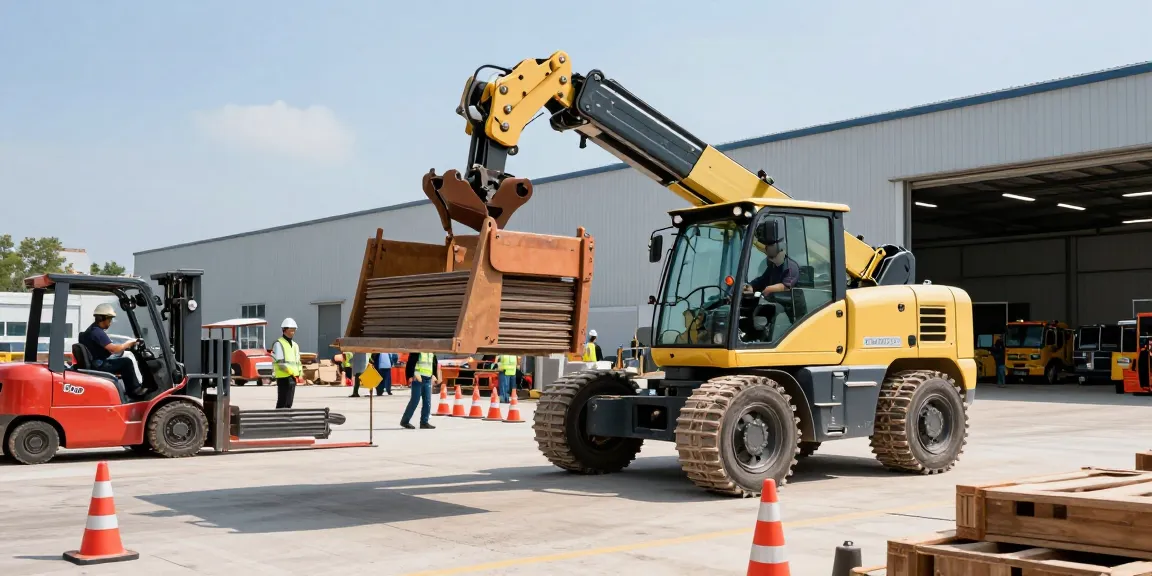
An electric loader is a material handling machine powered by electricity rather than traditional fossil fuels. These loaders are designed for lifting, moving, and stacking heavy materials across various industrial settings. Unlike their internal combustion counterparts, electric loaders offer quieter operation, reduced emissions, and lower maintenance costs, making them an ideal choice for environmentally conscious businesses.
1.2 Advantages of Electric Loaders Over Traditional Options
The transition from traditional loaders to electric ones provides several advantages:
- Environmental Benefits: Electric loaders produce zero emissions, significantly lowering the carbon footprint of operations.
- Cost Efficiency: Lower fuel costs and reduced maintenance lead to considerable savings over the equipment’s lifespan.
- Improved Safety: Quieter operation reduces noise pollution, making for a safer working environment.
- Enhanced Performance: Electric loaders often come equipped with advanced technologies, including regenerative braking and smart diagnostics.
1.3 Key Features to Look for in Electric Loaders
When selecting an electric loader, consider the following features:
- Lifting Capacity: Ensure the loader can handle the specific loads pertinent to your operations.
- Battery Life: Look for long-lasting battery options that allow for extended work periods without frequent recharging.
- Maneuverability: Compact designs can enhance maneuverability in tight spaces, ideal for crowded warehouse environments.
- Safety Features: Check for built-in safety mechanisms, such as automatic braking systems and ergonomic controls.
2. Why Electric Loaders are Essential for Modern Warehouses
As industries progress, the reliance on electric machinery has become more pronounced. Electric loaders stand out in this trend, driven by various factors that underline their necessity in contemporary warehousing.
2.1 The Shift Towards Electric Machinery in 2026
By 2026, the demand for electric loaders is expected to increase as more businesses focus on sustainable practices. This shift is not merely a trend but a fundamental transformation towards energy-efficient technologies that align with stricter environmental regulations.
2.2 Cost Savings and Environmental Benefits
Electric loaders contribute significantly to operational cost savings. With lower energy expenditures and minimal maintenance costs, companies can allocate resources more effectively. Furthermore, the transition to electric loaders aids in achieving sustainability goals, aligning with global initiatives aimed at reducing carbon emissions.
2.3 Enhancing Workplace Safety with Electric Loaders
Workplace safety is paramount in any operation. The design of electric loaders often incorporates features that promote safety, such as automatic shutoff systems and superior visibility. By minimizing noise distractions, these loaders contribute to a clearer, more focused work environment, reducing the risk of accidents.
3. Choosing the Right Electric Loader for Your Business
Selecting the appropriate electric loader for your operations involves careful consideration of various factors that align with your specific business needs.
3.1 Assessing Your Material Handling Needs
Before purchasing, evaluate the types of materials you will be handling and their weights. Understanding your operational environment—be it a warehouse, construction site, or manufacturing facility—will also guide your decision.
3.2 Comparing Electric Loader Models: A Buyer’s Guide
When evaluating electric loader models, look beyond price. Consider features like battery life, ease of use, and manufacturer support. Demonstrations and trials can also provide hands-on experience with the machine, helping determine if it meets your operational requirements.
3.3 Evaluating Supplier Reputation and Support Services
Choose suppliers with a solid reputation for customer service and support. Ensuring they provide reliable warranty options and maintenance services will safeguard your investment and ensure your loader remains operational.
4. Best Practices for Operating Electric Loaders
To maximize the benefits of electric loaders, operators should adhere to best practices that ensure both efficiency and safety.
4.1 Training Staff for Efficient Use and Safety
Comprehensive training programs for staff operating electric loaders are essential. Proper training reduces the risk of accidents and enhances productivity, ensuring employees are well-versed in operating the machinery safely and effectively.
4.2 Maintenance Tips to Ensure Longevity
Regular maintenance is crucial for electric loaders. Scheduling routine inspections and adhering to manufacturer guidelines for battery care and equipment upkeep will extend the machine’s lifespan and functionality, preventing costly breakdowns.
4.3 Leveraging Technology for Improved Operations
Utilizing technology can streamline your operations further. Advanced electric loaders equipped with telemetry systems can provide data insights, helping identify operational trends and areas for improvement. This proactive approach can lead to significant efficiency gains.
5. Industry Trends and Predictions for Electric Loaders
As we look ahead, several trends are shaping the future of electric loaders in the material handling industry.
5.1 Innovations in Electric Loader Technology by 2026
Anticipated innovations include enhanced battery technologies that increase lifespan and charging speed, as well as smart loaders that integrate IoT features for real-time monitoring and data analysis. These innovations promise to revolutionize the operation and maintenance of electric loaders.
5.2 Future Challenges for Electric Loaders in the Market
Despite their numerous advantages, electric loaders face challenges, including the need for charging infrastructure in various facilities. Additionally, companies must navigate the initial investment costs associated with transitioning from traditional machinery.
5.3 Preparing Your Business for Upcoming Changes
Businesses must stay informed and adaptable to these changes. Emphasizing continuous education on new technologies and practices in electric material handling will enhance overall efficiency and competitiveness in the evolving market landscape.
What are the benefits of an electric loader?
Electric loaders provide numerous benefits, including lower operational costs, reduced emissions, and improved safety, making them a key component in modern material handling.
How can I choose the best electric loader for my warehouse?
When choosing an electric loader, consider your specific material handling needs, the features of the loader, and the reputation of the supplier for support and service.
What maintenance is required for electric loaders?
Electric loaders require routine maintenance, including battery care, regular inspections, and prompt repair of any issues to ensure longevity and efficiency.
Are electric loaders environmentally friendly?
Yes, electric loaders are environmentally friendly, as they produce zero emissions and significantly decrease noise pollution compared to traditional loaders.
What innovations can we expect in electric loaders by 2026?
Future innovations may include advanced battery technologies, integration with smart technologies for operational monitoring, and improved safety features to enhance performance and usability.