
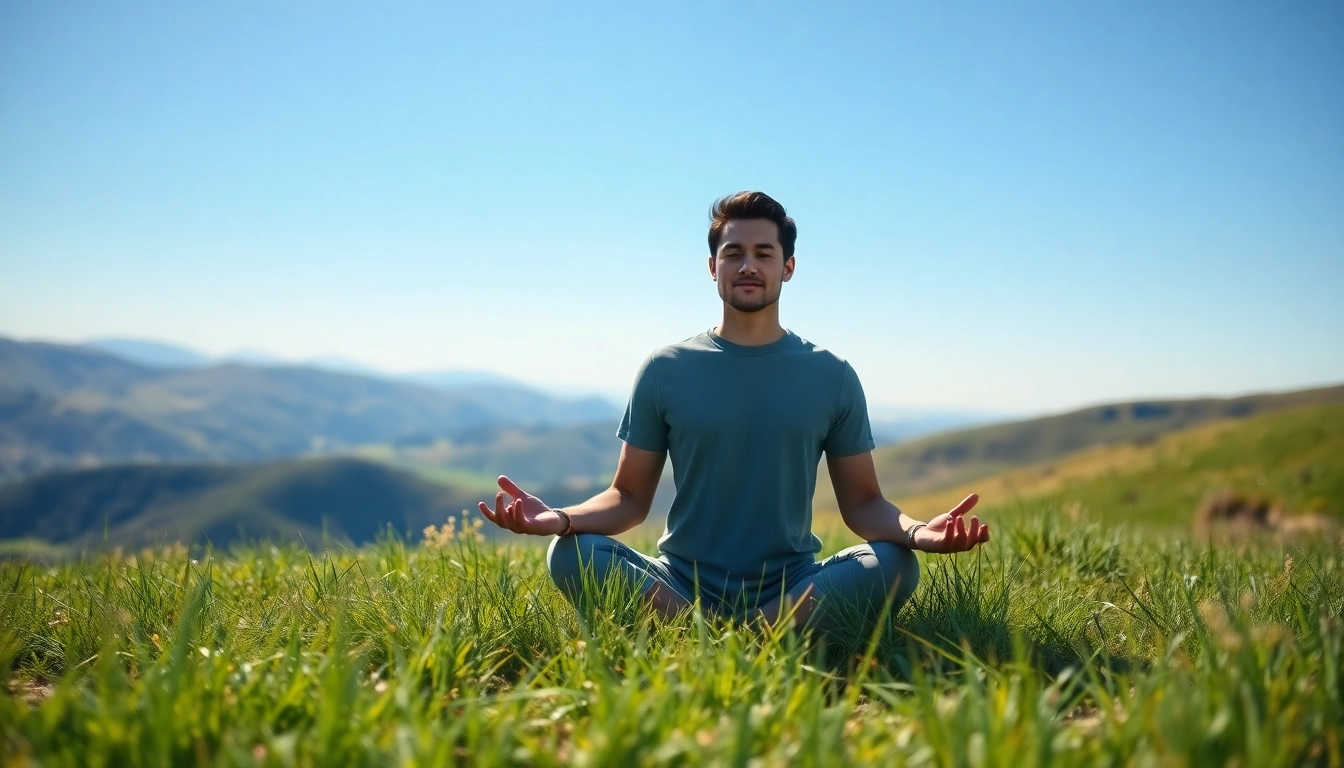
Understanding Stress and Anxiety
Defining Stress and Anxiety
Stress and anxiety are common experiences that can significantly impact our daily lives. Stress is the body’s response to any demand or challenge, often characterized by feelings of pressure or tension. It can arise from external sources, such as work deadlines or family responsibilities, or from internal conflicts. Anxiety, on the other hand, is an emotional response marked by lingering fears, worries, or apprehensive thoughts about future events. While occasional stress can be beneficial by motivating us to meet challenges, chronic stress and anxiety can lead to detrimental effects on mental and physical health.
Common Causes of Stress and Anxiety
Understanding the specific causes of stress and anxiety is crucial for effective management. Common triggers include:
- Work-related Issues: Deadlines, changes in the workplace, and job security can create considerable pressure.
- Family and Relationship Challenges: Issues such as conflict, changes in dynamics, or financial strain often contribute to stress.
- Health Concerns: Chronic illness, disease diagnosis, or care responsibilities for loved ones can be significant stressors.
- Major Life Changes: Events such as moving, divorce, or loss of a loved one can lead to feelings of anxiety and overwhelm.
Knowing the sources of your stress and anxiety can help you address the root causes and create effective coping strategies. For more insights on dealing with stress and anxiety, understanding these causes is the first step.
Symptoms to Recognize
Identifying the symptoms of stress and anxiety is essential for managing them effectively. Symptoms can vary widely among individuals but commonly include:
- Physical Symptoms: These may include headaches, muscle tension, fatigue, and gastrointestinal issues.
- Emotional Symptoms: Feelings of irritability, sadness, or frustration often manifest as anxiety escalates.
- Cognitive Symptoms: Trouble concentrating, racing thoughts, and indecisiveness are common cognitive signs of heightened anxiety.
- Behavioral Symptoms: Withdrawn behaviors, social avoidance, and changes in sleeping or eating patterns are frequent indicators.
Recognizing these symptoms is the first step towards addressing stress and anxiety effectively.
The Impact of Stress and Anxiety on Health
Physical Consequences
The physical manifestations of stress and anxiety can be destructive if left unchecked. Chronic stress can lead to cardiovascular issues, including heart disease and hypertension. It can also compromise the immune system, making the body more susceptible to infections and diseases. Furthermore, persistent muscle tension resulting from stress can cause pain and restrict mobility, impacting quality of life.
Mental and Emotional Effects
Beyond physical health, stress and anxiety can severely affect mental and emotional well-being. Individuals experiencing chronic stress may develop mental health disorders such as depression or anxiety disorders. Reduced cognitive function and impaired concentration can also occur, making daily tasks feel overwhelming. Additionally, feelings of helplessness and persistently negative emotions can erode self-esteem and overall life satisfaction.
Long-term Implications
The long-term implications of untreated stress and anxiety can be severe. Prolonged exposure to high-stress levels can lead to burnout, a state of emotional, physical, and mental exhaustion. Chronic anxiety can also pave the way for various health disorders, including some types of cancer, due to the body’s prolonged fight-or-flight response. Thus, addressing these issues early on is crucial for long-lasting health and wellness.
Practical Techniques for Managing Stress and Anxiety
Mindfulness and Meditation Practices
Incorporating mindfulness and meditation into your routine can significantly enhance your ability to manage stress and anxiety. Mindfulness practices center around being present in the moment, offering clarity and peace amid chaos. Techniques such as guided meditation, body scans, or simple deep-breathing exercises can ground you, allowing you to cultivate awareness and detach from distressing thoughts. Starting with just a few minutes a day can pave the way for profound changes in your emotional landscape.
Physical Activities to Reduce Tension
Regular physical activity is an invaluable tool for combating stress and anxiety. Engaging in exercise releases endorphins, chemicals in the brain that serve as natural painkillers and mood elevators. Activities such as jogging, yoga, aerobics, or even brisk walking can significantly reduce tension levels. Creating a consistent exercise schedule helps not only in reducing stress but also in enhancing overall physical health.
Breathing Exercises and Their Benefits
Breathing exercises are among the simplest yet most effective ways to manage stress and anxiety. Techniques like diaphragmatic breathing, box breathing, or 4-7-8 breathing can help calm the nervous system and lead to a decrease in stress response. By focusing on your breath, you can disrupt spirals of anxious thoughts, creating a sense of immediate relief.
Creating a Supportive Environment
Building a Stress-free Space at Home
Creating a calming environment at home can have a profound impact on your ability to manage stress. This can include decluttering your space, incorporating soothing colors and natural light, and introducing elements like plants or calming art. Creating designated relaxation zones within your living space can foster a sense of safety and tranquility, where you can unwind when the pressures of daily life rise.
Seeking Support from Others
The importance of social support cannot be underestimated when managing stress and anxiety. Connecting with friends, family, or support groups can provide not only emotional relief but also valuable perspective and advice. Sharing thoughts and experiences can lessen feelings of isolation and help in processing life challenges together.
Utilizing Professional Help
For those grappling with severe stress and anxiety, seeking professional help from therapists or counselors can be instrumental. These professionals can provide strategies and tools tailored to your unique needs, aiding in the transition from overwhelmed to empowered. Cognitive-behavioral therapy (CBT), medication, or other interventions may be recommended based on individual circumstances.
Measuring Progress in Managing Stress and Anxiety
Tracking Symptoms Over Time
Monitoring your symptoms is crucial for understanding the effectiveness of your stress and anxiety management techniques. Keeping a journal or using applications designed for mental health tracking can help identify patterns and triggers. By documenting emotions, impacts on daily life, and responses to different strategies, you will gain insights to inform future adjustments in your approach.
Setting Realistic Goals and Expectations
When tackling stress and anxiety, setting realistic goals is key to maintaining motivation and avoiding feelings of failure. Establish small, achievable objectives that reflect your personal journey towards improvement. Whether it’s committing to a few minutes of meditation each day or reaching out to loved ones more often, taking incremental steps can lead to lasting changes over time.
Adjusting Strategies Based on Feedback
As you progress in managing your stress and anxiety, it’s important to remain flexible in your approach. Be open to adjusting strategies as you learn more about what works best for you. This could mean trying new mindfulness techniques, changing exercise routines, or seeking different forms of support. Regularly evaluating your coping methods and their effectiveness keeps you actively engaged in your well-being journey.
FAQs about Stress and Anxiety
What is the difference between stress and anxiety?
Stress is typically a response to an external event, while anxiety is a more persistent feeling of worry or fear about potential future events. Recognizing the difference can help target coping strategies.
How does physical activity affect stress?
Physical activity releases endorphins, which act as natural mood lifters. Regular exercise can alleviate feelings of stress and anxiety, enhancing overall well-being.
Can mindfulness really help with anxiety?
Yes, mindfulness can effectively reduce anxiety by helping individuals focus on the present moment, decreasing fearful thoughts about the future and promoting relaxation.
How can I create a calming environment at home?
Decluttering, using soothing colors, incorporating plants, and having designated relaxation areas can enhance tranquility in your home environment, helping manage stress levels.
When should I seek professional help for stress or anxiety?
If stress and anxiety significantly impact daily functioning or personal relationships, seeking help from a mental health professional is advisable for tailored strategies and support.