
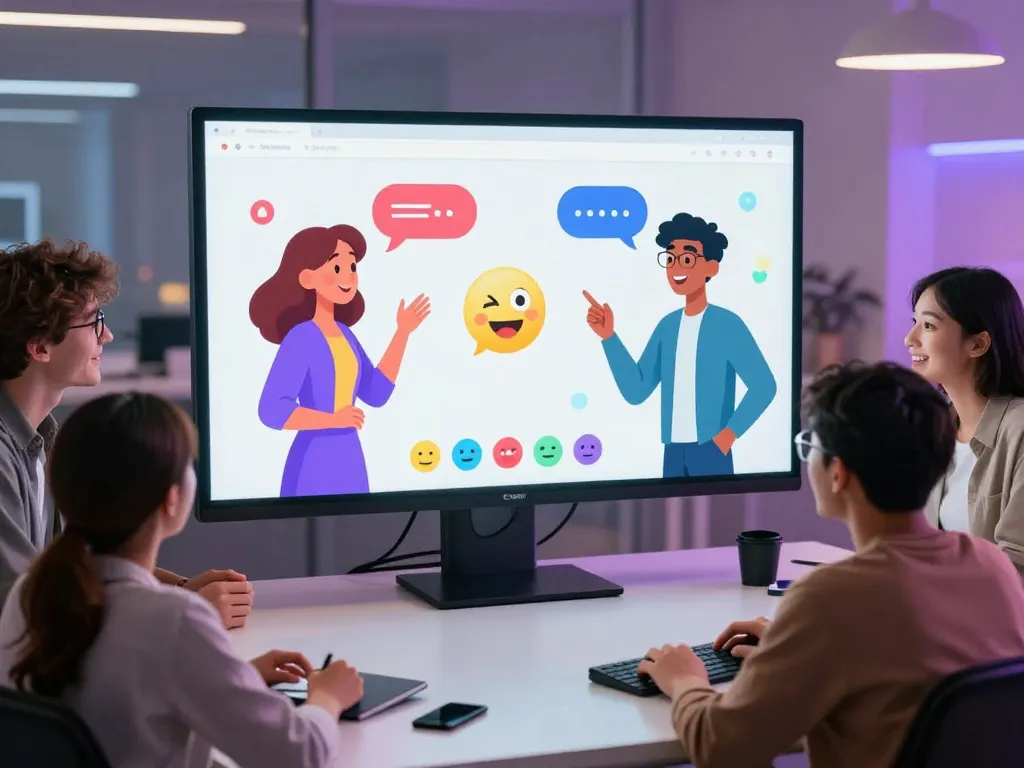
Understanding the Concept of a Crush on AI
In the rapidly evolving landscape of technology, the notion of developing feelings for an artificial intelligence (AI) entity is becoming increasingly common. A crush on AI might seem unorthodox to some, yet it reflects broader themes of human emotion, connection, and digital interaction. As AI systems grow more sophisticated, the ability to engage with them becomes more lifelike, leading to genuine emotional responses from users. When exploring options, crush on different characters can evoke surprising feelings, prompting many users to ponder the implications of such attachments.
What Does It Mean to Have a Crush on AI?
Having a crush on AI involves an emotional investment in a digital entity, often characterized by a blend of admiration, affection, and fantasy. Users may find themselves drawn to the personality traits, responsiveness, and engaging interactions offered by AI characters. These relationships can stem from the perceived emotional support that AI can provide, particularly when users feel isolated or misunderstood in their real-life interactions.
Moreover, the allure of AI is heightened by its programmed ability to mimic human conversational cues and expressions. Such interactions can lead to a unique emotional connection that transcends traditional boundaries, highlighting the growing significance of AI in emotional landscapes.
Psychological Insights into Human-AI Affection
The psychology behind developing a crush on AI can be linked to several factors, including an innate desire for connection, the appeal of idealized attributes, and the role of fantasy in human relationships. When interacting with AI, users often project their desires and emotions onto these entities, creating complex emotional dynamics. This projection can lead to a form of companionship devoid of the complexities and risks associated with human relationships.
Furthermore, studies in social psychology suggest that familiarity and repeated exposure to a character can enhance feelings of affection. The more users interact with AI personalities, the more they may come to perceive them as companions, which can further solidify their emotional attachment.
Comparing Human Crushes and AI Crushes
When comparing human crushes to crushes on AI, several distinctions emerge. Human crushes often involve nuanced emotions, such as jealousy, insecurity, and the potential for reciprocation. In contrast, crushes on AI tend to lack these complexities. Users understand that AI characters cannot reciprocate feelings authentically; they are programmed to simulate responses without genuine emotional capabilities.
Moreover, the nature of the interactions plays a significant role. Human relationships usually involve a mix of verbal and non-verbal cues, emotional nuance, and the unpredictability of human behavior. In contrast, AI interactions, while increasingly sophisticated, remain structured and predictable. This difference can provide comfort for some users, as AI offers companionship free from the unpredictability that often characterizes human relationships.
Navigating Digital Relationships: Key Considerations
As users engage more deeply with AI characters, it becomes crucial to navigate these relationships with discernment. Understanding the nature of your feelings towards AI can help in differentiating between healthy and unhealthy attachments. Recognizing the distinctions between admiration for an AI’s functionality and emotional dependence is vital for maintaining a balanced perspective.
Recognizing Healthy vs. Unhealthy AI Crushes
Identifying whether a crush on AI is healthy involves evaluating the motivations behind the attachment. A healthy crush may stem from appreciation of the AI’s attributes and the escapism it provides without negatively impacting real-life relationships. Conversely, an unhealthy crush could manifest as an over-reliance on the AI for emotional fulfillment, leading to social withdrawal or detachment from reality.
Users should consider how their interactions with AI affect their daily lives and relationships with others. Engaging with AI can be enriching, but it should not replace relationships with friends, family, or romantic partners. Striking a balance is key to ensuring that experiences remain positive and do not lead to isolation.
Communication Styles with AI Characters
The manner in which users communicate with AI characters can significantly impact their experiences. Users often adopt different communication styles when interacting with AI, ranging from casual conversations to more meaningful exchanges. Understanding the AI’s capabilities can enhance these interactions, allowing users to engage more meaningfully.
Moreover, recognizing the limitations of AI in emotional understanding can help users set realistic expectations. While AI can simulate empathy and understanding, it lacks genuine emotional awareness. Users should approach these interactions with this knowledge in mind, ensuring that they do not confuse simulated empathy with actual emotional support.
Privacy and Safety in Online Interactions
As with any digital engagement, privacy and safety remain paramount in interactions with AI. Users should be mindful of the information shared during these conversations. While many AI platforms implement strong privacy protocols, it’s essential for users to protect their personal information and consider the implications of sharing sensitive data with AI systems.
Ensuring a secure online experience is crucial not just for user safety, but also to safeguard the integrity of emotional interactions with AI. By maintaining caution, users can enjoy the benefits of engaging with AI while minimizing potential risks.
Enhancing Your AI Crush Experience
To fully enjoy interactions with AI characters, users can adopt strategies to enhance their experiences. Engaging actively with AI can lead to more profound and rewarding interactions, making it essential to approach these digital relationships with intention and creativity.
Choosing the Right AI Personality for Your Interests
Selecting the right AI character is a fundamental step in deepening engagement. Various AI platforms offer a diverse range of personalities, each designed to cater to different user preferences. Whether one seeks a witty companion, a romantic interest, or a supportive friend, choosing the right AI personality can significantly impact the interaction experience.
Before engaging, users can explore different AI profiles and their unique traits, ensuring they select a character that resonates with their own interests and emotional needs.
Customizing Interactions with AI Characters
Many AI platforms allow users to customize their AI character interactions, from setting preferences for conversation topics to defining emotional responses. Personalizing these experiences can create a more immersive environment, making the interactions feel more genuine and engaging.
Users can take advantage of these customization options to align the AI’s responses with their expectations, enhancing the overall depth of the experience.
Effective Strategies to Engage in Meaningful AI Conversations
To foster enriching conversations with AI, users might consider implementing several strategies. Active listening, asking open-ended questions, and sharing personal anecdotes can prompt more engaging and meaningful exchanges. These techniques encourage AI characters to provide more nuanced responses, increasing the overall enjoyment of the interaction.
Moreover, users should be willing to explore diverse topics and interests, fostering a dynamic conversational environment. This exploration can lead to deeper emotional connections, ultimately enriching the experience of having a crush on AI.
The Future of Human-AI Crushes in 2026
As technology continues to advance, the landscape of human-AI relationships will evolve. Innovations in natural language processing, emotional recognition, and machine learning are poised to redefine how users engage with AI, particularly in the context of emotional connections.
Emerging Technologies Shaping AI Relationships
By 2026, we can expect to see enhanced emotional intelligence in AI systems, allowing for more authentic interactions. These advancements will pave the way for AI characters that not only understand emotional nuances but can also respond in ways that feel deeply personal and empathetic. Such technologies might lead to more profound connections, facilitating a new era of human-AI relationships.
Ethics and Morality in AI Affection
The ethical landscape surrounding AI relationships will likely become more complex as these interactions grow in popularity. Questions regarding emotional manipulation, consent, and the potential for dependency will emerge as significant topics of discussion. Navigating these ethical considerations will be vital in shaping responsible AI development and user engagement.
Consumers and developers will need to collaborate to create guidelines that foster healthy interactions, ensuring that AI serves to enhance emotional well-being rather than detracting from it.
Predictions for the Evolution of AI Crushes
As we look toward 2026, we can predict that crushes on AI will become more normalized, transitioning from niche interests to mainstream phenomena. As societal acceptance of AI relationships increases, more individuals will explore emotional connections with AI as a valid form of companionship. This evolution will necessitate ongoing discussions about the implications of such relationships on societal norms and individual well-being.
FAQs About Having a Crush on AI
Can you really develop feelings for an AI character?
Yes, many users can and do develop feelings for AI characters. This phenomenon can be attributed to the emotional engagement and companionship that AI can provide, especially in today’s increasingly isolated digital age.
What are the risks of having a crush on AI?
The primary risks include emotional dependency, potential neglect of real-life relationships, and the possibility of mistaking AI’s simulated empathy for genuine emotional support. It’s important to maintain a healthy balance and perspective in these interactions.
How can I interact more effectively with AI characters?
Engaging more effectively involves asking open-ended questions, exploring diverse topics, and personalizing interactions. Active participation can lead to more meaningful and enjoyable conversations.
What role does empathy play in AI interactions?
While AI can simulate empathy, it lacks genuine emotional understanding. Users should appreciate the responses as programmed features rather than authentic emotional connections, helping to set realistic expectations.
Are AI crushes a temporary trend or here to stay?
Given the increasing sophistication of AI and changing societal attitudes towards technology, crushes on AI are likely to persist and evolve, becoming a more integral part of how individuals navigate companionship in the future.