
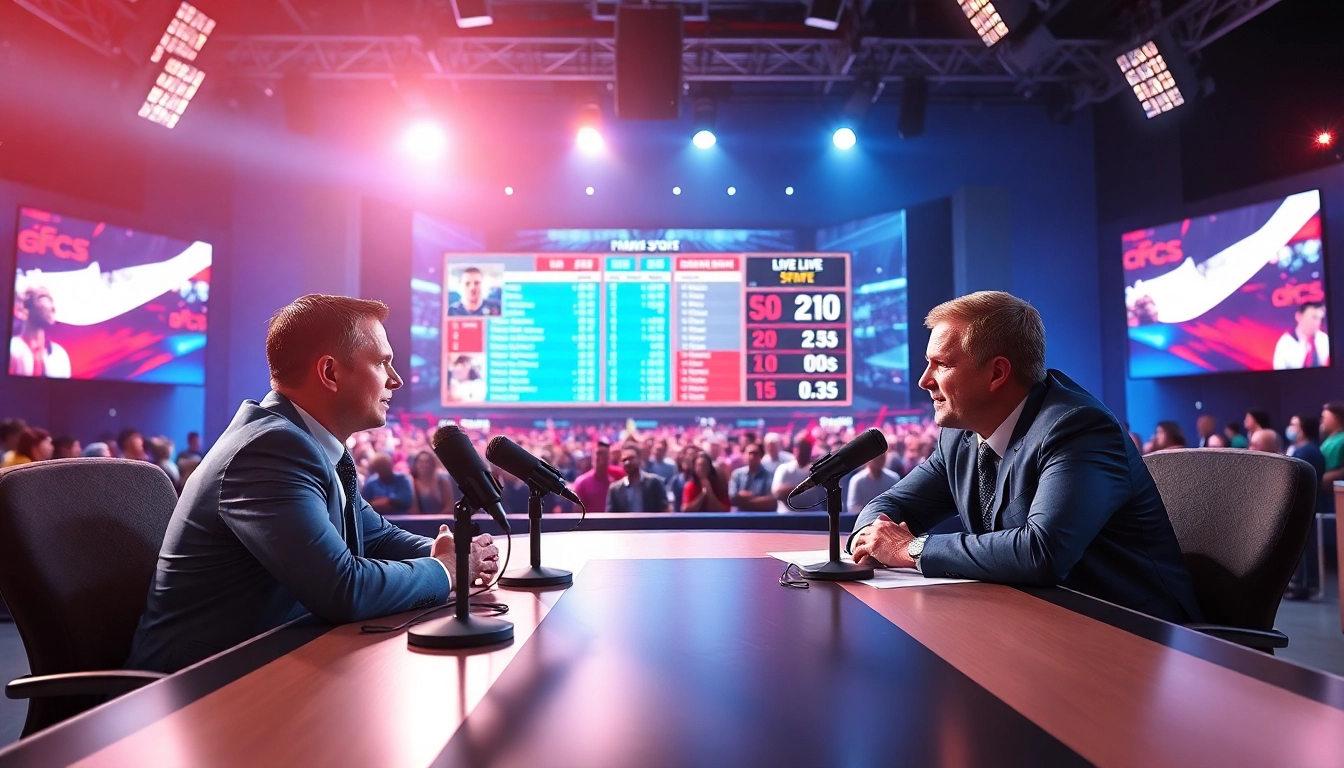
Understanding Sports Broadcasting: Basics and Importance
Definition of Sports Broadcasting
Sports broadcasting encompasses the dissemination of live and recorded sports content via various media platforms, such as television, radio, and the internet. It involves the production, presentation, and distribution of sports events and related programming. This dynamic field is crucial for connecting fans worldwide with their favorite sports and teams, providing insights, analysis, and entertainment. Through platforms like Sports Broadcasting, audiences gain access to a range of content, from live matches to in-depth commentaries and highlights.
The Evolution of Sports Broadcasting
The journey of sports broadcasting has transformed dramatically over the decades, beginning with the first radio broadcasts in the 1920s. Early broadcasts featured live descriptions of sporting events, offering audiences their first taste of sports entertainment beyond stadium walls. The invention of television in the 1950s marked a pivotal point, as millions could now watch their favorite games in real time from home.
The digital revolution brought about significant changes in how sports are consumed. Streaming services and social media platforms are now at the forefront, providing fans not only with live games but also highlights, interviews, and behind-the-scenes content. Innovations such as 4K broadcasting and mobile streaming have enhanced the viewing experience, making it easier for fans to engage with content anytime and anywhere.
Key Roles in Sports Broadcasting
Sports broadcasting consists of various roles, each contributing to delivering a seamless viewer experience. Key positions include:
- Commentators: They provide live commentary, analysis, and excitement during events, making sports more engaging.
- Producers: Responsible for overseeing broadcast operations, they ensure that the coverage aligns with audience expectations and technical requirements.
- Camera Operators: These professionals capture the action on the field, reacting quickly to deliver thrilling shots that enhance viewer engagement.
- Analysts: They offer insights and expert opinions, helping audiences to understand the game's intricacies.
Essential Equipment for Sports Broadcasting
Cameras and Audio Gear
Quality equipment is fundamental to effective sports broadcasting. High-definition cameras are essential for capturing dynamic sports action, offering clear visuals from multiple angles. Advanced technologies such as 4K and 360-degree cameras are becoming the standard, providing immersive viewing experiences.
Audio equipment is equally important; high-fidelity microphones are needed to capture ambient sounds and commentary without interference. Wireless technology has become common, allowing broadcasters to move freely while capturing events, enhancing viewer immersion.
Software and Streaming Services
The backbone of modern sports broadcasting includes various software solutions and streaming services. Production software enables teams to edit content, manage live feeds, and incorporate graphics effectively. Popular tools facilitate real-time statistics, replays, and visual analysis, enriching the viewer experience.
Streaming services such as Over-the-Top (OTT) platforms allow networks to deliver content directly to consumers, bypassing traditional cable structures. This flexibility enables broadcasters to reach a broader audience, adapting to changing consumption habits and viewer preferences.
Broadcast Control Rooms
Control rooms serve as the command center during broadcasts. Equipped with advanced technology, they help manage all aspects of a live event, from switching feeds and managing audio to integrating graphics. Professionals in the control room coordinate between different teams to ensure a seamless broadcast that meets high-quality standards.
Efficiency in a control room can mean the difference between a successful broadcast and a major mishap. Training personnel in proficient operation of equipment and understanding the dynamics of live production is paramount.
Content Creation Strategies in Sports Broadcasting
Engaging Storytelling Techniques
Successful sports broadcasting employs effective storytelling techniques that resonate with audiences. Incorporating narrative arcs related to teams, players, and historic rivalries fosters emotional connections. Highlighting personal stories, struggles, and triumphs adds depth to the viewing experience, making it more relatable and engaging.
Using graphics, statistics, and clips from past performances can help illustrate points during commentary, enriching the narrative and providing viewers with context and background.
Importance of Live Coverage and Analysis
Live coverage is at the heart of sports broadcasting, providing an adrenaline rush that recorded content cannot match. Real-time analysis from experts enhances this by giving viewers insights into play strategies, player statistics, and coaching decisions, which promote deeper understanding and involvement with the game.
Additionally, viewer interaction through live polls and social media feedback during broadcasts can create a more engaged audience, building community and loyalty among fans.
Utilizing Social Media for Audience Engagement
Social media platforms are a powerful tool for extending brand reach and enhancing viewer engagement in sports broadcasting. By providing behind-the-scenes looks, real-time updates, and engaging content, broadcasters tap into their audience's preferences, creating a more immersive experience.
Platforms like Twitter, Instagram, and TikTok facilitate real-time interaction between fans and broadcasters, making sports broadcasting a two-way communication flow rather than a one-dimensional experience. This engagement encourages viewer retention and helps build community.
Challenges in Sports Broadcasting: Navigating Common Issues
Ensuring Broadcast Quality
Maintaining high broadcast quality is crucial for viewer satisfaction. Issues like technical failures, poor camera angles, or sound interference can detract from the viewing experience. Proper pre-event checks and employing high-quality equipment are essential to mitigate these issues.
Regular training for technical staff on equipment operation and troubleshooting can also ensure that problems are quickly addressed, thus maintaining professionalism.
Compliance with Regulations
Sports broadcasters must navigate a complex landscape of regulations, including licensing agreements and copyright laws. Failing to adhere to these can lead to significant legal repercussions and financial penalties.
Understanding and staying up-to-date with regulations governing broadcasting, advertising, and content rights are crucial. Engaging legal expertise in the field can aid in compliance and mitigate risks.
Managing Audience Expectations
As expectations rise, sports broadcasters face the challenge of meeting the increasingly sophisticated demands of audiences. Elements such as commentary quality, viewer engagement, and accessibility play a significant role in viewer satisfaction.
Gathering feedback through surveys and interaction can provide valuable insights into audience preferences, thus allowing broadcasters to adjust their strategies accordingly. This proactive approach helps maintain viewership and strengthens bonds with fans.
Future Trends in Sports Broadcasting
Innovations in Technology
The future of sports broadcasting is closely tied to technological advancements. Innovations such as augmented reality (AR) and artificial intelligence (AI) are transforming how content is produced, delivered, and consumed. AI can analyze player's performances, creating personalized content for fans, while AR can enhance live broadcasts with interactive graphics and overlays.
These technologies are set to redefine viewer engagement, offering more immersive and tailored experiences that cater to individual preferences.
The Role of Virtual Reality
Virtual reality (VR) is an emerging frontier in sports broadcasting, allowing fans to experience events as if they were physically present. VR technology can provide an unrivaled, immersive experience that offers unique perspectives on games, transforming how sports are consumed.
As VR technology continues to mature, its integration into mainstream broadcasting could fundamentally alter viewer expectations and participation, opening new revenue streams through virtual ticket sales and experiences.
Evolving Viewer Preferences
Viewer preferences are constantly changing, driven by technological advancements and evolving lifestyles. Today's audiences seek on-demand content, personalized experiences, and interactivity. Broadcasters must adapt by offering flexible viewing options, live streams, and multi-platform access that aligns with modern consumer habits.
Understanding these shifts is essential, providing opportunities to engage audiences in innovative ways that resonate with their preferences and lifestyles.
Frequently Asked Questions (FAQs)
What is sports broadcasting?
Sports broadcasting involves the transmission of live or recorded sports programming through television, radio, or online platforms, connecting fans with their favorite sports and events.
What equipment is essential for sports broadcasting?
Essential equipment includes high-definition cameras, advanced audio gear, broadcast control systems, and reliable software for editing and streaming content effectively.
How has technology impacted sports broadcasting?
Technology has revolutionized sports broadcasting by enhancing video quality, enabling live streaming, and integrating interactive features, creating a more engaging viewer experience.
What are common challenges faced in sports broadcasting?
Common challenges include maintaining broadcast quality, ensuring compliance with regulations, and managing audience expectations regarding content and interactivity.
What trends are shaping the future of sports broadcasting?
Future trends include innovations in AR and VR, extensive use of AI for personalized content, and adapting to changing viewer preferences towards interactive and on-demand experiences.